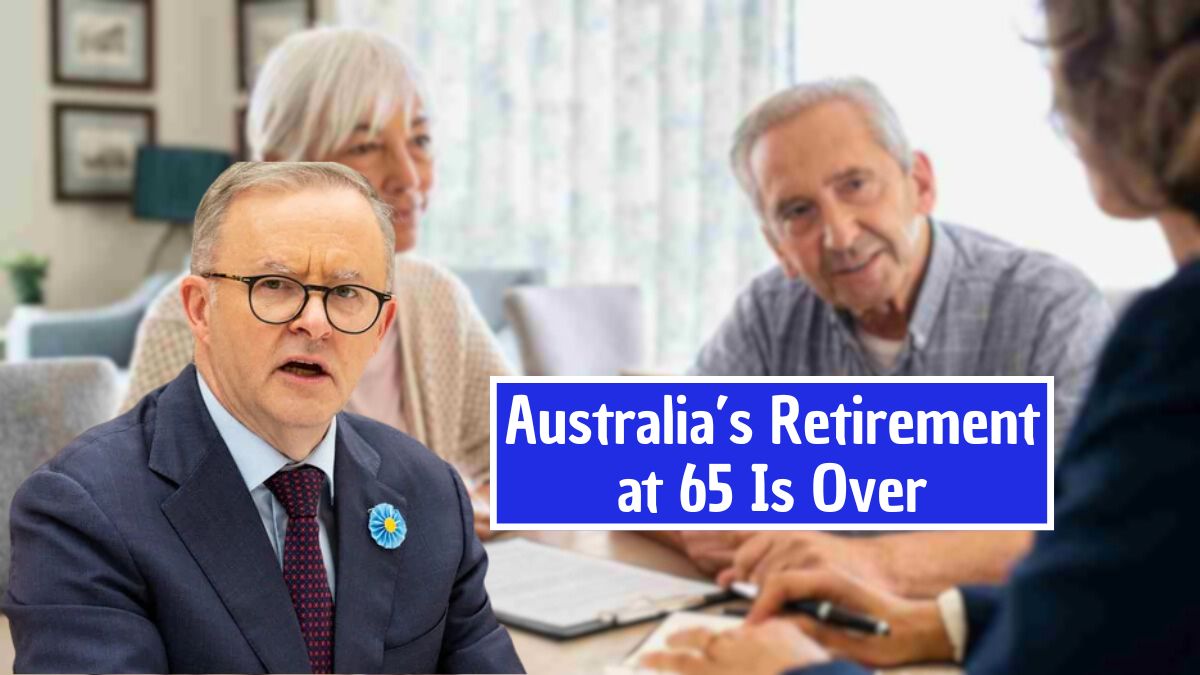
For decades, retirement at 65 was widely seen as the finish line of working life in Australia. Generations built careers, savings plans, and family timelines around this age, expecting the Age Pension to follow soon after.
But in 2026, that long-standing expectation no longer reflects reality. Australia’s retirement age system has changed, and understanding these changes is essential for anyone planning their financial future.
Retirement in Australia: What Has Changed?
The age of 65 is no longer the standard retirement benchmark—at least in terms of receiving government support. In 2026, most Australians will need to wait until they turn 67 to access the Age Pension, the key financial safety net for older citizens.
While it remains a personal choice to retire at any age, retiring at 65 without sufficient personal savings could mean a two-year gap with no government income support.
Current Retirement & Pension Overview (As of 2026)
| Category | Details |
|---|---|
| Traditional Retirement Age | 65 (no longer linked to pension) |
| Age Pension Eligibility | 67 years |
| Superannuation Access | Around 60 (based on birth year) |
| Legally Forced to Work? | No – retirement remains voluntary |
| Income Gap Risk | Yes – if retiring before 67 without savings |
| Future Increases Planned? | No official plans beyond age 67 |
Why Retirement at 65 Is No Longer the Norm
The Age Pension eligibility age is now 67, and this is the main reason retirement at 65 no longer aligns with financial reality.
You’re still free to retire at 65 or even earlier, but unless you have sufficient superannuation, private savings, or other income, you could face a financial shortfall for two years before pension payments begin.
This change was phased in gradually, beginning years ago and completed in 2023. By 2026, the transition is complete, and those still planning retirement based on the age 65 model could be caught off guard.
What Drove the Retirement Age Increase in Australia?
Several long-term, structural factors led the government to raise the pension age:
1. Longer Life Expectancy
Australians are living longer, healthier lives. The average retirement today can stretch over 20 years, which increases the cost of government support over time.
2. An Ageing Population
As birth rates decline and the population ages, there are more retirees and fewer working-age people contributing to the tax base. This imbalance strains public finances.
3. Rising Public Spending
The Age Pension is one of the largest federal budget items, alongside healthcare and aged care. The increase in pension age was seen as a way to keep the system sustainable for future generations
How This Shift Affects Australians in 2026
It’s important to emphasise that no law requires Australians to work until 67. Retirement remains a personal choice.
However, the timing of government support has changed. Many Australians now rely on a mix of superannuation and savings before reaching pension eligibility.
Between ages 60 and 67, most people can access:
- Superannuation (available from around age 60, depending on birth year)
- Personal savings
- Voluntary retirement income products
Those who lack adequate funds may choose to:
- Continue working full-time or part-time
- Delay retirement
- Adjust their retirement lifestyle to reduce expenses
Who Feels the Impact Most?
The shift doesn’t affect all Australians equally. Some groups face greater challenges than others:
1. Manual and Physical Workers
Those in physically demanding roles—like construction, cleaning, or trades—may struggle to work into their late 60s due to health or stamina concerns.
2. Lower-Income Earners
Australians with limited superannuation or savings rely more heavily on the Age Pension. The gap between retirement and pension eligibility can create serious financial pressure.
3. White-Collar Professionals
Professionals may have more flexibility—opting for part-time roles, consultancy work, or phased retirement options. Many continue earning without the physical toll of manual jobs.
This disparity has sparked ongoing debate about occupation-based retirement flexibility, with calls for policies that account for physical job demands.
Rumours About Further Increases: What’s True and What’s Not
Speculation often surfaces online about raising the retirement age beyond 67—to 68, 69, or even 70. As of 2026, there are no confirmed or legislated plans to increase the Age Pension age beyond 67.
Any such change would:
- Require new legislation
- Undergo political debate and scrutiny
- Include a long lead-in time before implementation
Planning retirement based on social media claims is risky. Always rely on official government sources for accurate updates.
Preparing for Retirement Without 65 as the Benchmark
With 65 no longer linked to pension eligibility, Australians must take a more proactive role in retirement planning.
Here’s how to prepare:
1. Strengthen Superannuation Contributions
Start contributing more to your super fund early. Even small increases add up significantly over decades.
2. Plan for the Gap Years
Estimate your income needs between 65 and 67. Consider using a financial planner to create a tailored transition plan.
3. Consider Flexible or Part-Time Work
If full retirement isn’t feasible, explore reduced working hours or alternate job roles that are less physically demanding.
4. Stay Informed
Policies can evolve. Keep track of updates through government websites, your superannuation fund, and official communications.
The New Retirement Model in Australia
Retirement in 2026 is no longer a single event—it’s a transition shaped by personal finances, health, and work flexibility. Australians are adapting by embracing phased retirement, extended employment, and custom financial strategies.
Rather than a fixed age, retirement now centres around choice, preparation, and sustainability.